
Architecting for Integration and Scalability
Foundation of Enterprise DAM

Architecting for Integration and Scalability: Foundation of Enterprise DAM
As we progress in our series on elevating Digital Asset Management (DAM) within the enterprise, it becomes clear that the architecture of your DAM system is pivotal. It’s not just about choosing a DAM system but architecting it for seamless integration and scalability. This ensures it supports not only current organizational needs but also adapts to future demands and technologies. This chapter delves into key architectural considerations to ensure your DAM system serves as a dynamic, integrated foundation for managing digital assets across the enterprise.
Video Overview
Audio Overview
Understanding Integration Needs
Integration is at the heart of transforming DAM from a siloed system to an enterprise-wide solution. Effective DAM integration involves:
Cross-Platform Connectivity: Ensuring your DAM system can connect with various platforms such as Content Management Systems (CMS), Customer Relationship Management (CRM) systems, marketing automation tools, and creative software is crucial for a seamless workflow.
APIs and Web Services: A robust API (Application Programming Interface) is essential for facilitating these integrations, enabling custom connections with internal and external systems, and ensuring that your DAM can evolve with technological advancements.
Designing for Scalability
A scalable DAM architecture is designed to grow with your organization, accommodating increasing volumes of assets, users, and integration points without performance degradation. Considerations include:
Cloud-Based Solutions: Cloud services offer scalability and flexibility, allowing you to adjust storage and functionality according to your needs.
Microservices Architecture: Adopting a microservices approach, where the DAM functionality is divided into independently deployable services, can enhance scalability and ease integration challenges.
Ensuring Data Consistency and Accessibility
Central to the DAM system’s architecture is the need to manage metadata and ensure that assets are easily discoverable and usable across the organization:
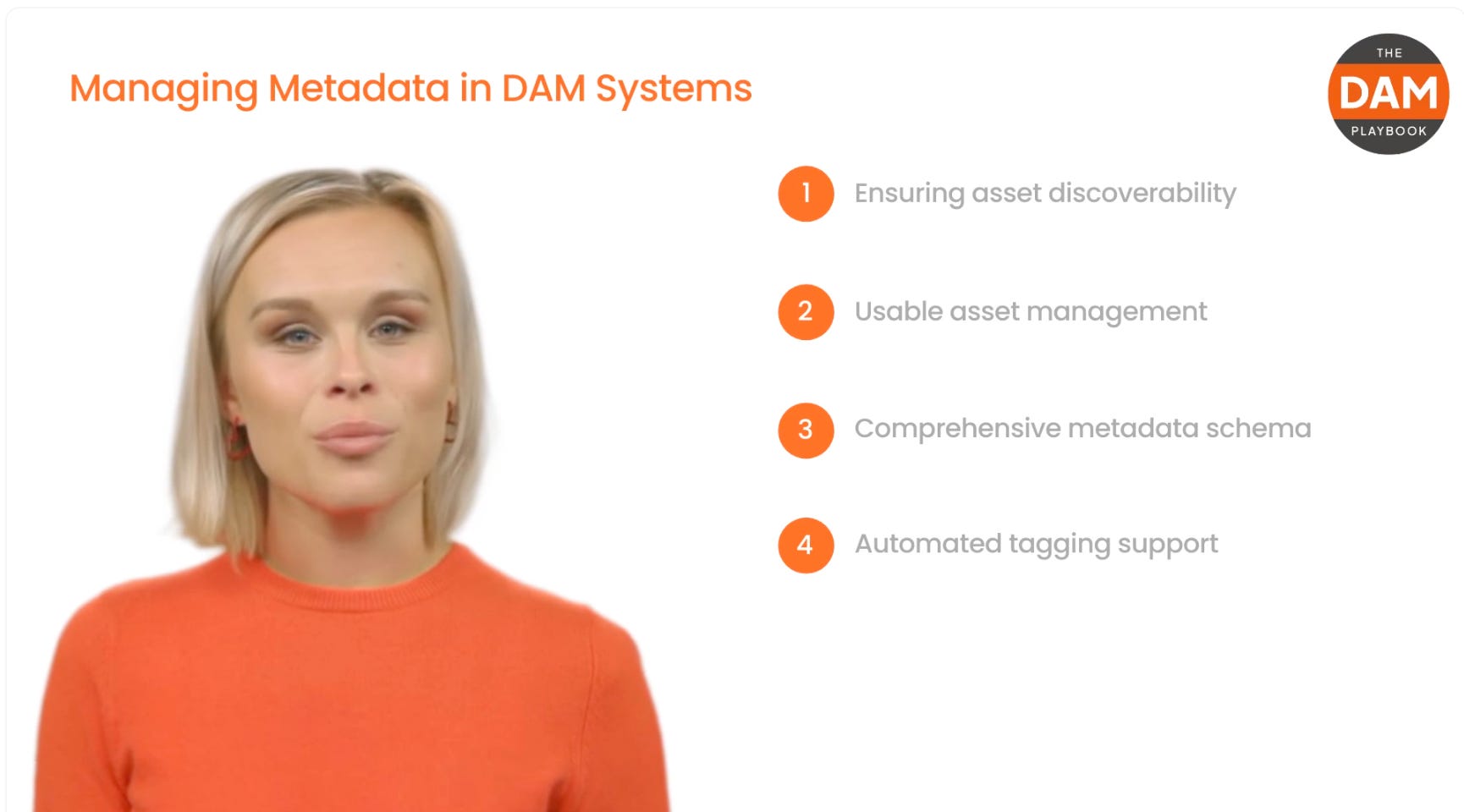
Metadata Management: Implementing a comprehensive metadata schema that is consistent across all platforms and supports automated tagging and AI-driven insights.
Universal Access: Designing the DAM to be accessible from various devices and locations, ensuring users can retrieve and utilize assets whenever needed, while maintaining data security and compliance.
Planning for Future-Proofing
The digital landscape is constantly evolving, and so are the technologies that support DAM systems. Future-proofing involves:
Adopting Standards: Utilize industry standards for metadata, APIs, and integration protocols to ensure long-term compatibility and interoperability.
Monitoring Emerging Technologies: Stay informed about emerging technologies such as AI, machine learning, and blockchain, and consider how they can be incorporated into your DAM strategy to enhance capabilities and security.
Addressing Security and Compliance
As digital assets often include sensitive and proprietary information, ensuring the security and compliance of your DAM system is critical:
Data Security: Implement strong security measures including encryption, access controls, and regular security audits.
Compliance: Ensure your DAM system complies with relevant industry regulations and standards, incorporating features for rights management and asset usage tracking.
Stakeholder Collaboration and Change Management
The architecture of your DAM system should be informed by the needs and workflows of its users:
Collaborative Planning: Engage with stakeholders from various departments to understand their needs and how the DAM can support their workflows.
Change Management: Prepare for organizational change with training programs and support structures to ensure a smooth transition to the new DAM system.
Conclusion
Architecting your DAM system for integration and scalability is fundamental to its success as an enterprise-wide solution. By prioritizing cross-platform connectivity, designing for growth, and planning for future technologies, you can ensure that your DAM system enhances organizational efficiency, supports brand consistency, and drives digital transformation. With a well-architected DAM system, you’re not just managing assets; you’re empowering your organization to harness the full potential of its digital content.
In our next article, we will tackle the intricacies of navigating change management during the implementation of your enterprise DAM initiative, ensuring a seamless transition and widespread adoption across your organization.